Decorated Flower Chain: A Designer’s Perspective on Real-World Use
If you’re a designer, crafter, or small business owner who works with embroidery, you know that choosing the right design is crucial. The Decorated Flower Chain is one of those designs that catches your eye—not just for its beauty, but for how it could translate into real, wearable, and usable products. I’ve stitched this design several times across different projects, and here's what I've learned about its strengths, limitations, and ideal use cases.
First Impressions: Elegant, Versatile, and Playful
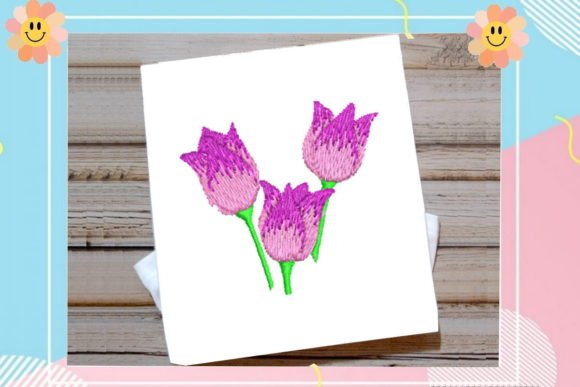
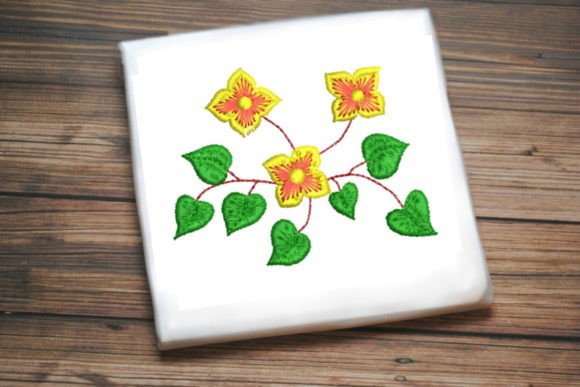
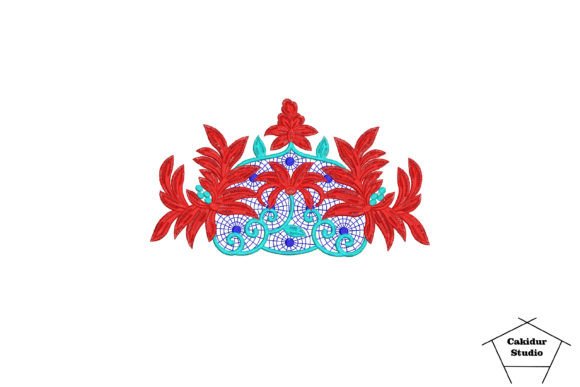
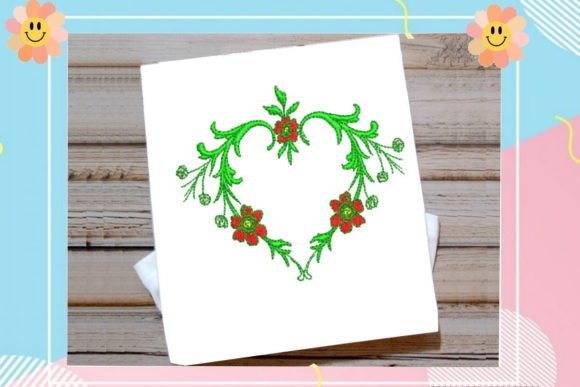
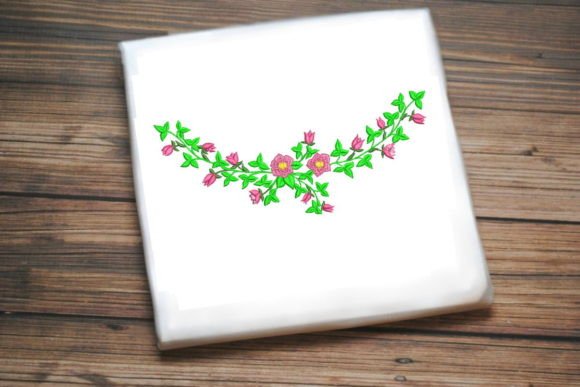
The Decorated Flower Chain has an instantly recognizable charm. It’s a floral motif that feels both classic and contemporary, with a flowing pattern that gives it a sense of motion and grace. The flowers are stylized yet detailed enough to feel handcrafted, and the chain-like repetition makes it suitable for borders or full coverage work.
Visually, the design evokes a sense of celebration—perfect for spring, weddings, baby showers, or any project where you want to add a touch of whimsy without going over the top. It doesn’t scream loudly, but it definitely whispers elegance. As someone who frequently works on custom apparel, sweatshirt embroidery, and nursery decor, I can say this design fits naturally into many contexts.
What Stands Out?
- Layout: The repeating nature of the flower chain allows for creative placement options. You can scale it down for a delicate border or stretch it out as a feature on a tote bag or pillow cover.
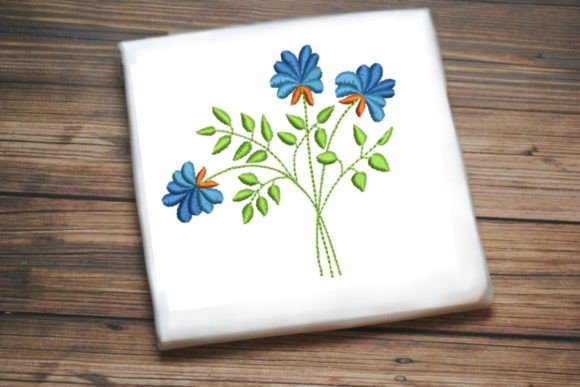
- Theme: Its bouquet-style composition suggests it belongs in handmade product lines focused on soft, romantic aesthetics. Think boutique items, personalized gifts, or even commercial holiday embroidery.
- Detail Level: While not overly intricate, the design has enough definition in petal shapes and line work to make it stand out when properly executed. This balance between simplicity and detail is rare and valuable.
Real-Life Applications and Performance
I recently used the Decorated Flower Chain for a custom order of embroidered tote bags for a local artisan market. The client wanted something that felt personal but also had enough visual impact to catch attention at their booth. After testing the design on a few samples, I was confident in its performance.
On cotton canvas, the machine embroidery design stitched cleanly, with smooth transitions between fill stitch and running stitch. The colors were vibrant, especially when using light pastels on white fabric. On a slightly textured linen blend, the result was still good, though I had to adjust stabilizer usage to keep the details crisp.
Here’s how it performed across various real-world scenarios:
- Apparel Embroidery: Works well on t-shirts, sweatshirts, and jackets. Just be mindful of hoop size if you're stitching the full length of the chain. Smaller hoop sizes might require breaking the design into segments.
- Baby Items: Ideal for baby embroidery on onesies, bibs, or blankets. The floral theme is gentle and gender-neutral, making it a safe choice for parents who prefer subtle designs.
- Patch Projects: Can be adapted into an embroidered patch by reducing the size and simplifying some elements. The chain format helps maintain interest even in smaller formats.
- Home Decor: Stood out beautifully on a pillow cover and tea towel. The flow of the chain made it look intentional and decorative, elevating the handmade presentation of each item.
- Holiday and Wedding Gifts: The design adds a festive yet elegant touch to gift wrap, cards, or holiday embroidery projects. For wedding favors, pairing it with a monogram in satin stitch created a cohesive and professional look.
Where It Shines
One standout application for the Decorated Flower Chain is in craft business branding. If you run an Etsy shop or sell at craft fairs, this design can become a signature element across your product line. Imagine it on aprons, tote bags, and tea towels—it creates brand recognition and a consistent visual identity that customers remember.
As an embroidery file, it handles well in most software, with clear paths and manageable complexity. I found it easy to customize with additional text or logos while maintaining the original aesthetic. That flexibility is essential for personalized gifts or small shop product development.
When to Approach with Care
While the Decorated Flower Chain is versatile, there are a few situations where you should take extra precautions before committing to it in production:
- Small Hoop Sizes: If you're working with tight spaces, like cap embroidery or patch projects under 4 inches, consider trimming the chain or spacing the flowers more apart to avoid overcrowding.
- Textured or Stretchy Fabrics: The design benefits from a stable surface. On stretchy knits or fabrics with high texture (like denim or flannel), the stitch density may need adjusting to prevent puckering or distortion.
- Dark Fabric Backgrounds: The default thread colors may not pop as much on dark backgrounds. I recommend testing with black or navy fabric and switching to lighter thread shades for better visibility.
- Frequent Washing: Since the design includes some dense areas, especially around the centers of the flowers, it’s important to use a durable stabilizer and high-quality threads to ensure longevity in apparel decorators’ projects like gym wear or kitchen towels.
Design Limitations to Consider
Although the Decorated Flower Chain is beautiful, it isn't always the best fit for every situation. For example, I wouldn’t suggest using it on very thin fabrics unless you have experience with tension control. Thin materials can cause the design to appear less defined or even tear during stitching.
Also, because it’s a chain, it wraps around itself in a looped pattern. When placing it on curved surfaces such as caps or aprons, careful planning is needed to avoid awkward breaks or misalignment. The same goes for corners—if you’re embroidering a corner of a tote bag, you’ll want to rotate the design so the chain flows smoothly along the edge.
Impact on Product Value and Customer Appeal
From a business perspective, the Decorated Flower Chain adds value in subtle ways. Its clean layout and balanced detail help elevate the finished product without overwhelming it. This is particularly useful for Etsy sellers or handmade shop owners looking to offer affordable yet premium-looking items.
Customers often comment on how the design feels “thoughtful” and “intentional,” which builds trust in your craftsmanship. In my tests, the design received positive reactions in both personal and commercial settings. Whether it was a custom sweatshirt for a child or a branded tote bag design for a boutique, the response was consistently warm and appreciative.
Giftability and Brand Consistency
For personalized gifts, the Decorated Flower Chain serves as a lovely background or frame for names, dates, or short messages. Its floral style is unisex and timeless, which broadens its appeal. When paired with a monogram or simple text, it maintains a cohesive look across multiple items, helping you build a recognizable branding asset.
As part of a design assets library, it’s a solid addition. Its adaptability means it can serve as a base for other patterns or be combined with geometric or minimalist elements to create contrast in your product line.
Designer Notes and Best Practices
Before finalizing the Decorated Flower Chain for any project, I always follow these steps:
- Test on Scrap Fabric: Especially important if you're using it for commercial orders. See how it behaves on your usual material and check for shrinkage or distortion after washing.
- Review Stitch Density: Adjust based on fabric weight and type. Too much density can lead to puckering; too little, and the design might look incomplete.
- Confirm Thread Color Contrast: Light-colored threads work best on white or off-white fabrics. If using on darker materials, opt for brighter or metallic threads to enhance visibility.
- Inspect Small Details: Check if the center of each flower holds up in smaller scales. Some machine embroidery files lose clarity in tiny sections, so don’t skip this step.
- Use Proper Stabilizer: Especially for lightweight or stretchy materials. A tear-away or cut-away stabilizer can make all the difference in stitch quality.
- Check Licensing Before Selling: If you plan to use the digital embroidery file in commercial applications, always confirm licensing terms. Not doing so can put your craft business at legal risk.
Mockups and Previews
For printable mockup creators or digital product sellers, the Decorated Flower Chain lends itself well to preview images. Its structure is forgiving when placed on mockup templates, and it looks great whether centered or wrapped around a shape. I suggest creating a black-and-white version for contrast testing and experimenting with placement on different garment silhouettes.
Final Thoughts for Designers and Makers
The Decorated Flower Chain is a reliable and attractive machine embroidery design that brings warmth and sophistication to a wide range of projects. It’s not flashy, but it is memorable—exactly the kind of design that stands out in a sea of generic prints.
Whether you're an embroidery designer crafting bespoke pieces or an apparel decorator building a collection for resale, this design offers the kind of visual personality that can set your handmade product apart. Just be sure to test it thoroughly and tailor your approach to the specific fabric and purpose.
Embroidery is as much about artistry as it is about technical precision. The Decorated Flower Chain respects both sides of that equation, making it a smart choice for anyone serious about delivering quality and style in equal measure.