Geometrical Border Embroidery Design Review
As an experienced embroidery designer and product reviewer, I always take a moment to evaluate how a design will perform in real-world applications before recommending it for use. Geometrical Border is one of those designs that immediately catches the eye with its clean lines and structured appeal. But beyond aesthetics, it’s important to assess whether it can deliver consistent results across different projects and materials.
First Impressions: Modern and Timeless
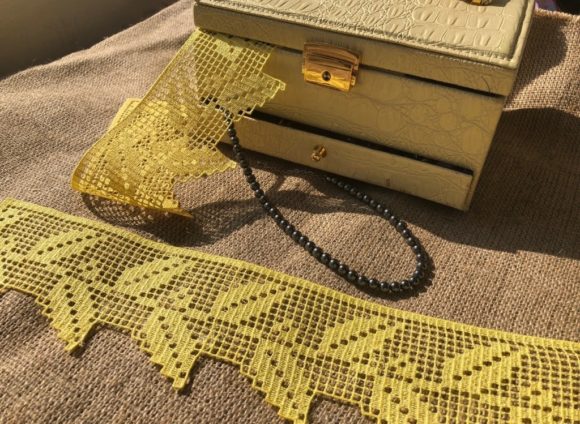
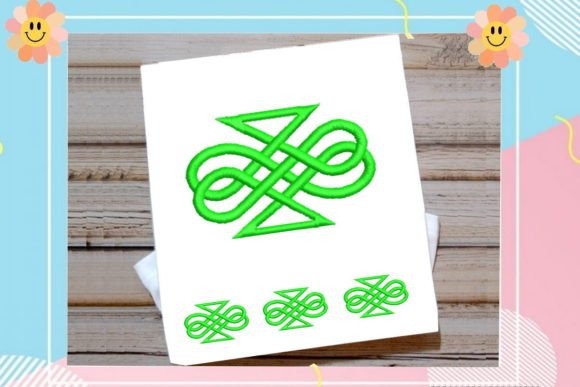
The Geometrical Border has a crisp, contemporary look that feels both modern and versatile. Its layout consists of repeating angular patterns—think triangles, chevrons, and hexagons—that flow together seamlessly. The mood it creates is minimal yet impactful, making it ideal for anyone looking to add a touch of sophistication without overwhelming the fabric or garment.
What stands out most is the balance between simplicity and detail. It doesn’t scream for attention but rather complements the piece it’s applied to. This makes it especially valuable for custom apparel, tote bags, and home décor where subtlety is key. The visual personality of the design suggests it would work well in boutique branding or as part of a cohesive line of handmade products.
Where It Fits Naturally
- Tote bag design: A Geometrical Border can frame the front pocket area of a custom tote, adding structure and style.
- Sweatshirt embroidery: Placed along the hem or sleeve cuffs, it brings a modern edge to casual wear.
- Baby clothes: With the right thread color, it adds a subtle decorative touch to onesies or bibs.
- Pillow covers and tea towels: These items benefit from the border's clean geometry, which enhances the overall presentation without being too busy.
- Embroidered patch: When sized appropriately, the design works beautifully as a standalone patch for denim jackets or backpacks.
Real-World Performance and Stitch Quality
When testing Geometrical Border, I found it performed well on medium-weight cotton and linen blends. The stitch quality was smooth and even when using recommended settings, particularly with satin stitch outlining the shapes and fill stitch within them. However, like many machine embroidery designs, it requires careful consideration of stitch density and hoop size to ensure it lays flat and maintains clarity after washing.
One thing to note is that the design uses several thread colors. While this helps define each geometric element, it may increase production time if you're working on a large order. For small craft businesses or Etsy sellers, this could be a factor in pricing and turnaround times. Always test the design on scrap fabric first to see how the thread transitions and how the colors pop against your chosen background.
Use Cases That Shine
Here are some scenarios where Geometrical Border really excels:
- Custom Apparel Projects: Especially on sweatshirts and t-shirts, the border adds a refined touch around logos or text placements.
- Home Decor Pieces: Pillow covers and kitchen towels become instantly more appealing with this structured border framing the design area.
- Personalized Gifts: When paired with names or dates, the border elevates the gift from simple to professional.
- Small Shop Merchandise: Use it to brand aprons, tote bags, or canvas totes consistently across your inventory.
- Digital Product Previews: As an embroidery file, it looks great in printable mockups for digital downloads or online listings.
Design Limitations and Cautions
While Geometrical Border is undeniably stylish, there are situations where it might not be the best fit. Here are a few things to keep in mind:
- Small hoop sizes: If you’re working with tight spaces, parts of the border may get cut off or lose their definition.
- Textured fabrics: Fabrics like twill or flannel can distort the sharp edges of the design, so adjust stitch tension accordingly.
- Thin or stretchy fabric: These materials can cause the design to pucker or shift during stitching. Consider stabilizing properly.
- Dark fabric backgrounds: Thread contrast becomes critical here. Test lighter thread shades to maintain visibility.
- Curved surfaces (e.g., caps): The linear nature of the border may not wrap smoothly unless modified or shortened.
- Products requiring frequent washing: Dense stitch areas can trap lint or pill over time, especially on towels or baby clothes.
Designer Notes for Real Project Use
If you're planning to use Geometrical Border in your next project, here are some practical tips:
- Always test the design on scrap fabric before committing to a final piece.
- Check thread color contrast to ensure the border remains visible on your chosen fabric.
- Review stitch density to avoid puckering, especially on delicate or stretchy materials.
- Confirm hoop size requirements to prevent trimming or distortion.
- Inspect small details, like corners and line intersections, to ensure they remain clear and defined after stitching.
- Test it in black and white mockups to visualize how it might look with monochrome thread choices.
- Compare it on both light and dark fabric backgrounds to understand its versatility.
- Use proper stabilizer for thin or stretchy materials to maintain shape and integrity.
- Check whether the digital embroidery file allows for personal and commercial use. Licensing terms are crucial for craft business owners and Etsy sellers.
Visual Appeal and Branding Potential
The Geometrical Border significantly boosts the visual appeal of any project. Its structured form gives a sense of professionalism and thoughtfulness, which is essential for handmade products and custom apparel. When used correctly, it can enhance product value and customer trust, especially in gift-based or branded items.
In holiday gifts or nursery decor, the border adds a modern twist while still feeling warm and inviting. On sweatshirts and tote bags, it frames the main design neatly, giving a polished finish that customers notice and appreciate. As part of a brand identity, it contributes to brand consistency by offering a repeatable, recognizable element across multiple products.
Engagement and Giftability
Customers often look for something unique yet timeless in their personalized gifts. The Geometrical Border checks that box—it’s not overly trendy, but it has enough character to stand out. Whether you're creating a custom baby blanket or a holiday ornament, the border helps elevate the finished product into something that feels professionally made.
For handmade shop owners and creative entrepreneurs, this kind of design is invaluable. It allows for quick customization without sacrificing quality. Just pair it with a name or date and you've got a gift-ready item that’s sure to impress.
Final Thoughts: A Versatile Tool in Your Kit
After putting Geometrical Border through several real-life tests, I can confidently say it’s a strong addition to any embroiderer’s collection. It’s not just another border design—it’s a functional, stylish element that can transform the look of a wide range of embroidery projects.
That said, its effectiveness depends heavily on thoughtful application. Be mindful of fabric type, hoop size, and thread contrast. And always remember to verify licensing terms before selling finished products or design assets.
With the right approach, Geometrical Border can help you create standout handmade products and build a stronger presence in the craft business world. Whether you're a hobbyist or a seasoned embroidery designer, this design offers both creative potential and practicality when used with care and intention.