★★★☆☆3.9(104 reviews)
Rabbit with Eggs and Carrots Embroidery Design Review
First Impressions of the Rabbit with Eggs and Carrots Design
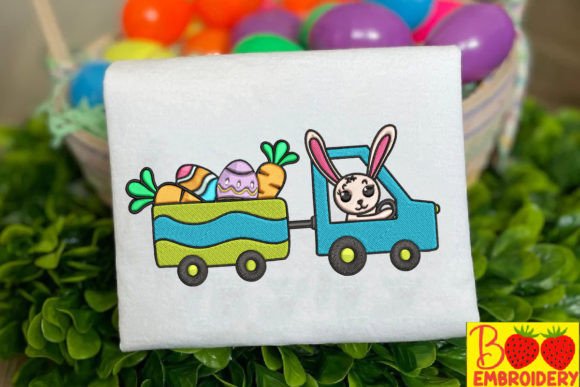
The Rabbit with Eggs and Carrots machine embroidery design immediately stands out for its charm and potential in small business merch. As an experienced embroidery designer, I’m always on the lookout for designs that can seamlessly blend brand personality with visual appeal. This design has a friendly and playful aesthetic—perfect for businesses looking to add whimsy or seasonal flair without losing professionalism.Real Business Use: Where It Shines
- Embroidered patches: The design works exceptionally well as a patch for tote bags, jackets, or even branded product labels. Its balanced composition ensures it remains recognizable even when scaled down.
- Staff uniforms: When used as a chest logo accent, it adds a subtle but memorable touch. It’s especially effective on light-colored work shirts or aprons where it can pop visually without overwhelming the overall look.
- Apron embroidery: Handmade bakeries or craft boutiques could feature this design on staff aprons to reinforce a creative and artisanal brand identity.
- Cap embroidery: On caps, particularly those with curved fronts, the Rabbit with Eggs and Carrots can serve as a front emblem or side detail. However, due to its level of detail, careful consideration should be given to placement and scale.
- Tote bag design: Used as a sleeve detail or a central motif, the design brings character to reusable bags while maintaining a premium finish that customers associate with quality.
- Product packaging accents: Small businesses can integrate this design into tags or gift wrap for customer gifts and event merch, creating a cohesive brand experience.
- Boutique merchandise: From branded hoodies to embroidered canvas items, this design can enhance the visual consistency of your line, especially if your brand leans towards a soft, approachable style.
Where to Use with Caution
- Small patch sizes: If you plan to use this as an embroidered patch under 3 inches, consider simplifying or adjusting the design before production. Fine details may not hold up at smaller scales.
- Cap fronts: Stitch density and size must be optimized for curved surfaces. A larger hoop size might be necessary to avoid distortion.
- Curved surfaces: When embroidering on curved items like sleeves or hats, ensure the design is segmented correctly to prevent puckering or misalignment.
- Tiny lettering: If the design includes text, review the font legibility at reduced sizes. Easter-themed fonts often lean decorative and may not be ideal for small-scale reading.
- High stitch density: Inspect the design for dense stitching areas. These can cause tension issues or damage delicate fabrics during the embroidery process.
- Textured fabric: The design’s fine outlines may lose clarity on textured materials like denim or linen. Testing is key to ensure the finished product looks polished.
- Dark uniforms: Thread colors will need to contrast sufficiently against dark backgrounds. Some hues may appear muted or less vibrant than expected.
- Items that need frequent washing: Designs with intricate elements require stable thread choices and proper stabilizers to maintain durability over time.
Practical Notes for Embroidery Shops and Designers
- Test in black and white first: This helps assess how the design translates across different thread color palettes.
- Check small patch performance: Print or digitize a version at 2–3 inches to evaluate clarity and detail retention.
- Review thread color contrast: Ensure the chosen palette matches your brand colors and fabric background effectively.
- Inspect spacing and layout: Make sure the design isn’t too cramped or stretched when resized for different items.
- Confirm hoop size: Hoop dimensions affect embroidery quality and stability. Always verify compatibility with your machine and stabilizer setup.
- Test on real fabric: No matter how appealing the printable mockup looks, test-stitching on actual material is crucial to catch any unexpected issues.
- Use proper stabilizer: Especially important for stretchy or thin materials to prevent distortion during the embroidery process.
- Create a mockup for client approval: Before mass production, offer a sample or digital preview so clients can visualize the final product accurately.
- Compare with other design assets: Ensure the Rabbit with Eggs and Carrots aligns visually with your existing logos or patterns for a unified brand image.
- Confirm commercial licensing: Since this is a digital embroidery file, always check the license terms before using it for commercial embroidery projects.
⬇️ Download Free
Free download · No sign-up required
🔗 You Might Also Like
Easter
As an experienced embroidery designer, I’m always on the lookout for quality mac...
Farm
As an experienced embroidery designer working with boutique brands and small sho...

Awareness
First Impressions and Visual Appeal The Danger Hazard Sign with Skull embroidery...
Valentine S Day
First Impressions of Heart with Animal Print When I first saw the Heart with Ani...
Wedding Monogram
First Impressions and Design Mood The Floral Letter L with Butterfly immediately...
